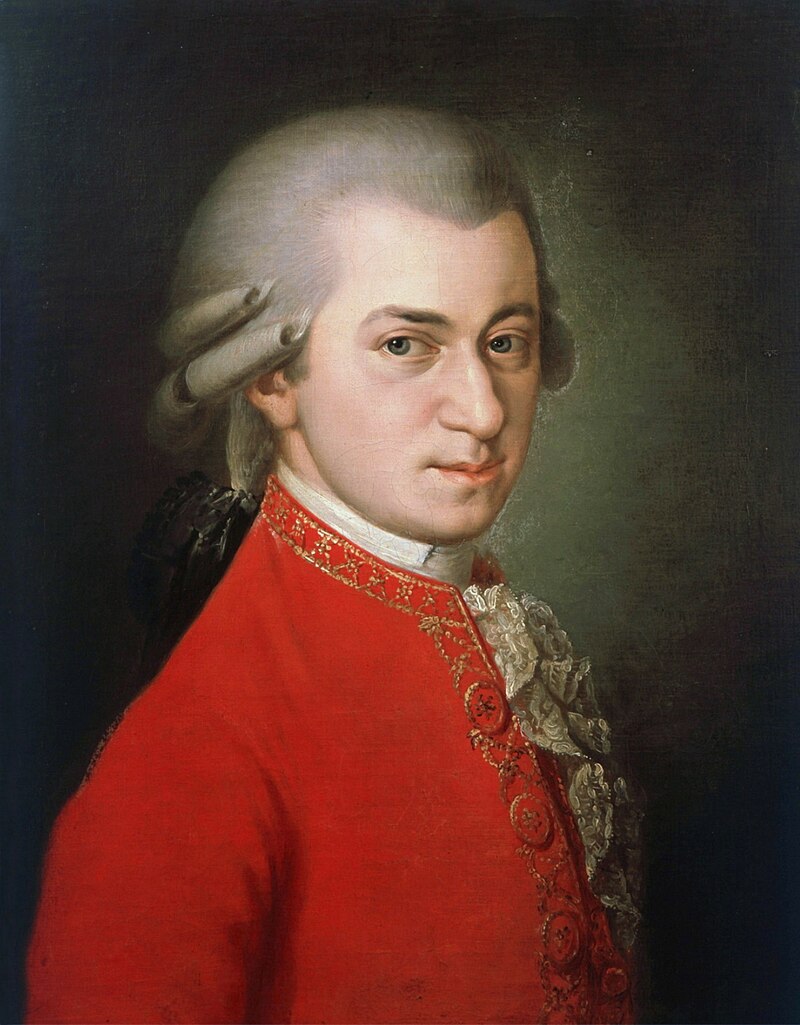
Mozart was born in Salzburg in 1756 and was performing for the empresses and kings of Europe by the age of six, dragged from court to court by an ambitious father who understood exactly what he had produced. What no tour could show was how the boy absorbed everything he heard: Italian opera, French elegance, German counterpoint. He gave it back transformed, as though music was his native language.
At twenty-five he broke with his Salzburg employer and gambled on living as a freelance artist in Vienna, one of the first great composers to try. The decade that followed produced the operas with Lorenzo Da Ponte, The Marriage of Figaro, Don Giovanni, Così fan tutte, as well as the last great piano concertos and symphonies, and chamber music of perfection. He died in December 1791, thirty-five years old, leaving more than six hundred works completed and his Requiem unfinished on his desk.
What keeps Mozart inexhaustible is the way flawless surfaces conceal genuine depths: comedy that turns suddenly tender, elegance shadowed by grief. Nothing in music is more human.